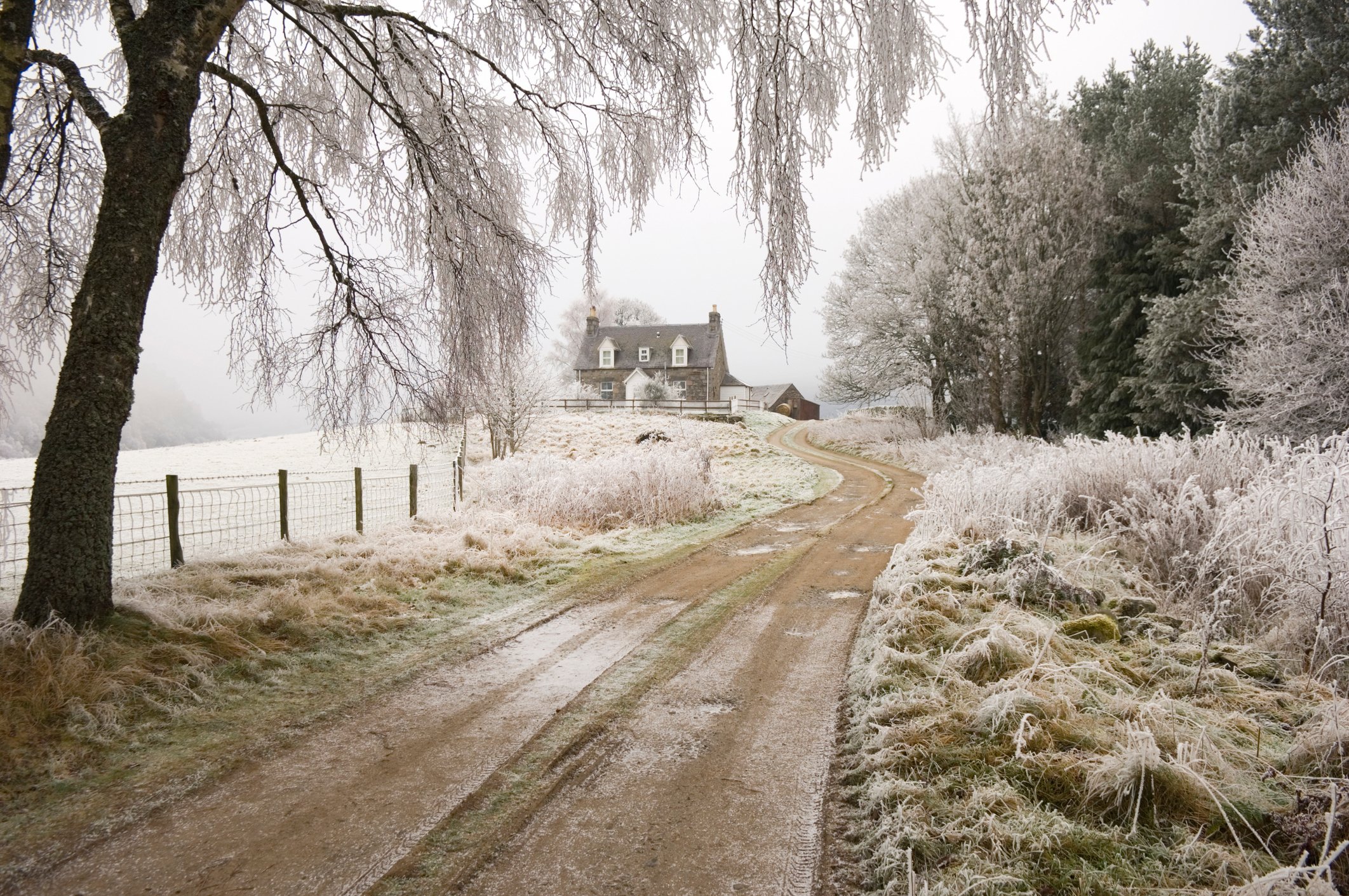

For many owners of significant homes and estates, spring is not simply a season of renewal - it is often when the true impact of winter begins to surface.
Across the private clients market, we are increasingly seeing that weather volatility, ageing building materials and complex estates can create risks that remain hidden until temperatures rise. A considered spring review can help preserve not only the fabric of a property, but also its long-term value and insurability.
Subtle winter damage can have long-term implications
In period and high-value homes, relatively minor winter deterioration can develop into more material issues if left unaddressed.
Typical areas of concern we are seeing include:
- Roofing integrity: Freeze-thaw cycles and high winds can loosen slates or tiles, increasing vulnerability to water ingress
- Leadwork and traditional materials: Older flashing and heritage construction methods may be more susceptible to temperature movement
- Flat roof performance: Snow melt and pooling water can accelerate membrane wear
- Guttering and drainage capacity: Winter debris and ice expansion can lead to overflow, damp penetration and staining
- Timber and masonry condition: Moisture retention over colder months can contribute to early-stage rot, mortar erosion or micro-fracturing in stone façades
In heritage homes particularly, repairs often require specialist conservation expertise, which can influence both cost and timelines.
Estates present a broader risk landscape
For clients with larger grounds or multi-acre estates, the risks we encounter tend to extend beyond the main residence.
Spring is often when estate-wide vulnerabilities become clearer, such as:
- Tree stability and woodland management: Saturated ground and storm exposure can increase the likelihood of fallen or weakened trees
- Flood run-off and water course management: Heavy winter rainfall may expose weaknesses in drainage planning or natural water features
- Boundary integrity and security considerations: Movement in stone walls, fencing deterioration or gate damage can create unintended access points
These issues can have implications not only for property preservation, but also for liability exposure and operational continuity across the estate.
A proactive approach supports resilience and value
While many winter-related issues remain invisible initially, early intervention can help avoid more significant disruption later in the year. For high-value homes in particular, preventative maintenance and specialist oversight are increasingly important in maintaining both enjoyment of the property and its long-term resilience.
As market specialists working closely with owners of complex risks, we continue to see the benefit of regular seasonal reviews as part of a broader property risk strategy.
Download our Guide
To find out more, download our Spring Property Refresh Guide here.
.png)